Agriculture has always been a cornerstone of human civilization, but it's rarely stood still. From the first plows to modern-day combine harvesters, farming has continuously evolved. As we look towards 2026, the pace of change is accelerating, promising a future for agriculture that is more efficient, sustainable, and technologically advanced than ever before. What will the farms of tomorrow look like? Let's take a closer look at the innovations and shifts shaping farming just a few years from now.
The Digital Revolution on the Farm
By 2026, data will be as crucial to farmers as fertile soil and sunshine. The integration of digital technologies will transform how crops are grown and livestock is managed. We're talking about a true revolution powered by connectivity and intelligent systems.
Precision Agriculture: Sensors embedded in fields will gather real-time data on soil moisture, nutrient levels, and crop health. Artificial intelligence (AI) will analyze this vast amount of information, guiding farmers on everything from exact watering schedules to precise fertilizer application. This isn't just about bigger yields; it's about optimizing resource use and minimizing waste.
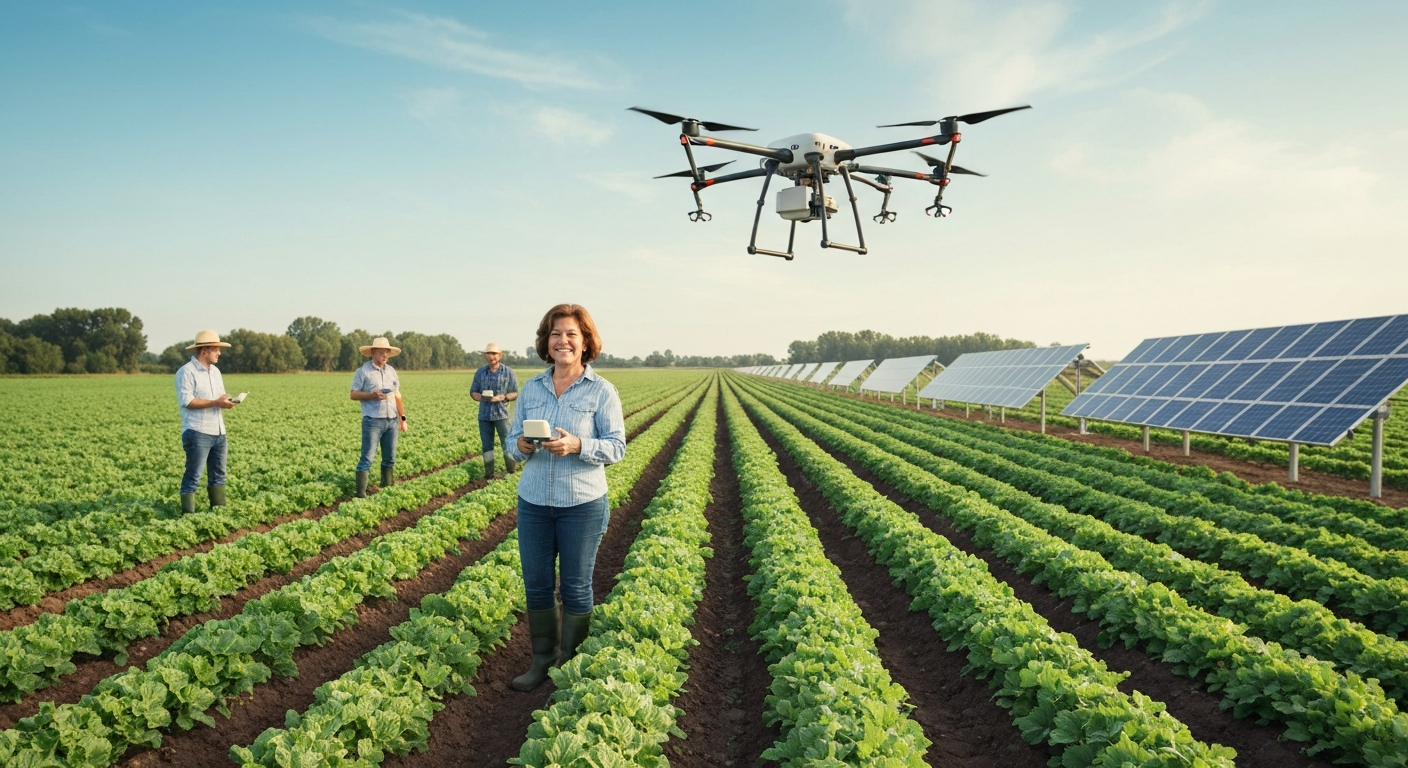
Internet of Things (IoT): Connected devices will create a seamless network across the farm. Think smart irrigation systems responding to localized needs, drones monitoring crop health from above, and automated feeding systems for livestock. This interconnectedness allows for predictive analytics, helping farmers anticipate challenges and make proactive decisions.
AI and Machine Learning: Beyond data analysis, AI will play a role in predicting weather patterns, market prices, and even identifying pest outbreaks before they become widespread. Machine learning algorithms will continually refine these predictions, making farming smarter and more resilient.
Sustainable Practices Taking Center Stage
The push for sustainability will intensify by 2026, moving from a niche concern to a central pillar of agricultural practice. Farmers will increasingly adopt methods that not only produce food but also protect and restore the environment.
Regenerative Agriculture: Practices focused on improving soil health, enhancing biodiversity, and sequestering carbon will become more widespread. This includes techniques like cover cropping, no-till farming, and diverse crop rotations, which benefit both the ecosystem and long-term farm productivity.
Water Conservation: With climate change impacts, efficient water use will be paramount. Precision irrigation systems, drought-resistant crop varieties, and smart sensors that prevent over-watering will be standard tools in the fight to conserve this precious resource.
Reduced Chemical Use: Advances in biological pest control, targeted spraying techniques (guided by AI and drones), and disease-resistant crops will significantly reduce the reliance on synthetic pesticides and herbicides, leading to healthier ecosystems and food.
Robotics and Automation: A Helping Hand
Labor shortages and the demand for efficiency will drive the widespread adoption of robotics and automation. By 2026, autonomous machines will be far more common sights on farms.
Autonomous Tractors and Harvesters: Self-driving machinery, guided by GPS and sophisticated sensors, will handle tasks like planting, weeding, and harvesting with incredible precision, often operating around the clock.
Drones for Monitoring and Application: Drones won't just scout fields; they'll be capable of targeted spraying of nutrients or biological controls, delivering exactly what's needed where it's needed, reducing waste and environmental impact.
Automated Picking Systems: For delicate crops, robotic pickers equipped with advanced vision systems will be able to identify ripeness and harvest produce gently, addressing labor challenges and ensuring freshness.
Biotechnology and Crop Resilience
Breakthroughs in biotechnology will equip crops with enhanced resilience and nutritional value, addressing global food security challenges.
Genetic Editing: Techniques like CRISPR will allow for precise modifications to crops, creating varieties that are naturally more resistant to specific diseases, pests, and harsh environmental conditions like drought or salinity.
Enhanced Nutrition: Beyond resilience, biotechnology will enable the development of 'biofortified' crops that offer higher nutritional content, helping to combat malnutrition in vulnerable populations.
New Business Models and Consumer Connections
The way food reaches our tables will also see significant evolution, fostering stronger connections between producers and consumers.
Direct-to-Consumer (D2C): E-commerce platforms will empower farmers to connect directly with consumers, bypassing intermediaries. This creates greater transparency, ensures fair prices for farmers, and delivers fresher produce to buyers.
Local Food Systems: The emphasis on local produce will continue to grow, supported by community-supported agriculture (CSA) programs, farmers' markets, and even urban farms leveraging vertical farming technologies to bring fresh food closer to cities.
Traceability and Transparency: Consumers in 2026 will demand to know more about where their food comes from and how it was produced. Blockchain technology could play a significant role in providing immutable records of a product's journey from farm to fork.
Conclusion
Farming in 2026 will be a dynamic, tech-driven, and increasingly sustainable endeavor. The convergence of artificial intelligence, robotics, advanced biotechnology, and evolving consumer demands is setting the stage for a period of unprecedented innovation in agriculture. These changes aren't just about efficiency; they're about ensuring global food security, protecting our planet's resources, and creating a more resilient and sustainable food system for generations to come. The future of food production is bright, smart, and deeply connected to our collective well-being.